As we continue to see the devastating effects of earthquakes around the world, it is crucial to prioritize building safety and earthquake-resistant structures. One essential element in ensuring the safety of a building during seismic activity is the installation of seismic braces. These braces, also known as seismic bracing or seismic restraints, are an integral part of a building’s seismic design. In this article, we will cover everything you need to know about seismic braces, from their purpose and types to their importance in earthquake-prone regions.
seismic braces are devices that help stabilize a building during an earthquake by reducing the lateral movement of the structure. They work by connecting different parts of the building together to help distribute the forces generated during an earthquake more evenly. This helps prevent the building from collapsing or suffering extensive damage during a seismic event. seismic braces are typically made of steel or other strong materials and are installed at strategic locations throughout the building to provide maximum support.
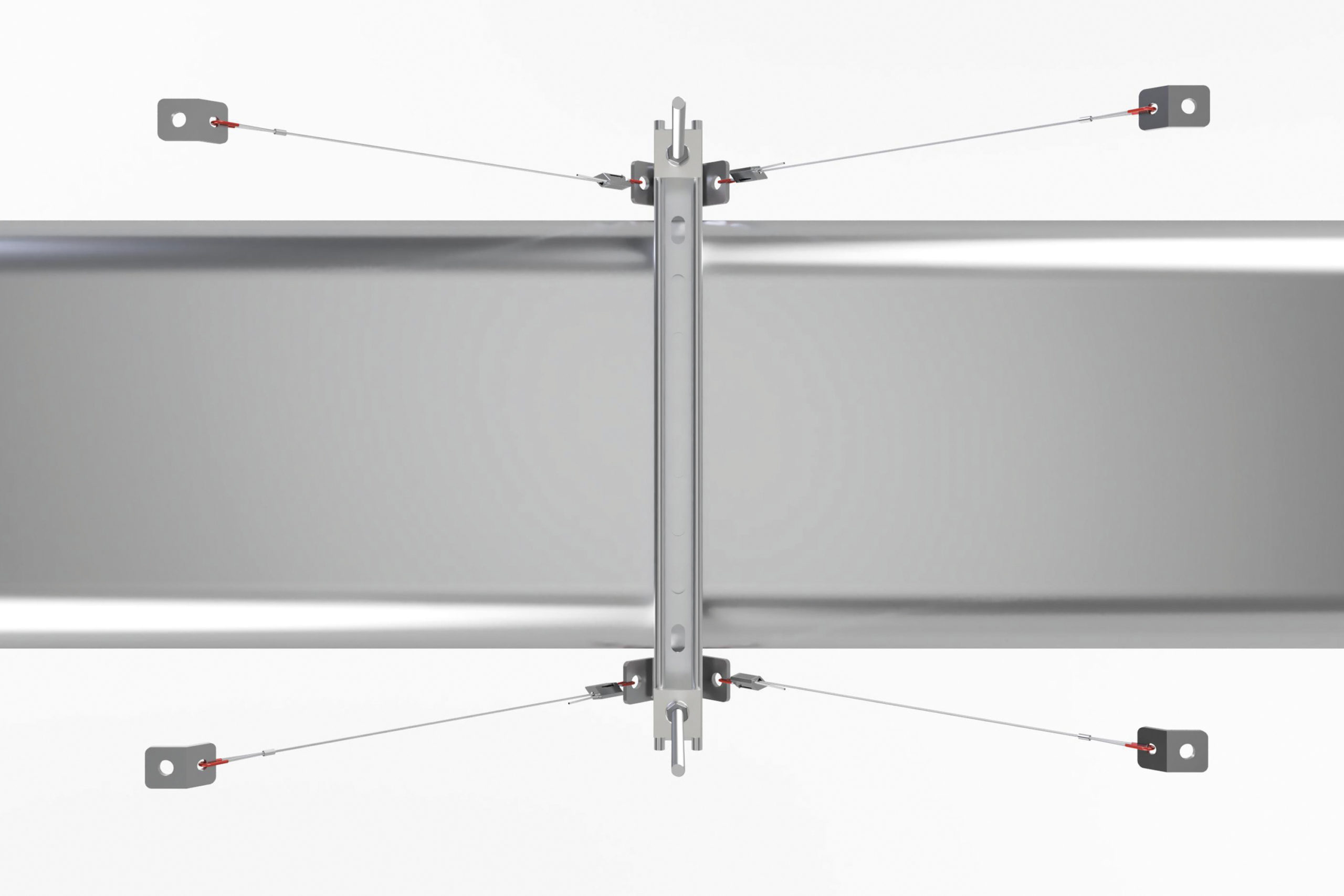
There are several types of seismic braces available, each serving a specific purpose in the building’s seismic design. One common type is the X-brace, which consists of two diagonal braces that intersect to form an X shape. These braces are often used in steel structures and can effectively reduce the building’s sway during an earthquake. Another common type is the eccentric bracing system, which uses off-center braces to help dissipate seismic forces and reduce the building’s lateral movement. Other types of seismic braces include concentric bracing systems, buckling-restrained braces, and fluid viscous dampers, each with its unique set of benefits and applications.
The installation of seismic braces is crucial, especially in earthquake-prone regions where the risk of seismic activity is higher. By incorporating seismic braces into a building’s design, engineers can significantly improve the building’s resistance to earthquakes and ensure the safety of its occupants. Buildings that are not properly braced are more likely to suffer structural damage or even collapse during an earthquake, putting lives at risk and causing extensive property damage. Therefore, it is essential for building owners and developers to prioritize seismic bracing as part of their overall safety measures.
In addition to their role in earthquake resistance, seismic braces can also help improve the overall stability and durability of a building. By reducing the building’s sway and distributing seismic forces more evenly, seismic braces can help extend the lifespan of a structure and minimize the need for costly repairs. They can also enhance the building’s performance during other types of extreme events, such as high winds or heavy snow loads, making them a valuable investment for any type of building.
While seismic braces are crucial for building safety, they must be installed correctly to be effective. Improper installation or inadequate bracing can compromise the building’s structural integrity and make it more vulnerable to seismic forces. Therefore, it is essential to work with experienced engineers and contractors who have expertise in seismic design and bracing systems. These professionals can help determine the best type of seismic braces for a specific building and ensure that they are installed according to industry standards and regulations.
In conclusion, seismic braces are an essential component of a building’s seismic design, helping enhance its resistance to earthquakes and improve overall stability. By reducing the building’s lateral movement and distributing seismic forces more evenly, seismic braces can help protect lives and minimize property damage during a seismic event. Building owners and developers in earthquake-prone regions should prioritize seismic bracing as part of their safety measures to ensure the structural integrity and longevity of their buildings. Proper installation and maintenance of seismic braces are key to maximizing their effectiveness and ensuring the safety of occupants.